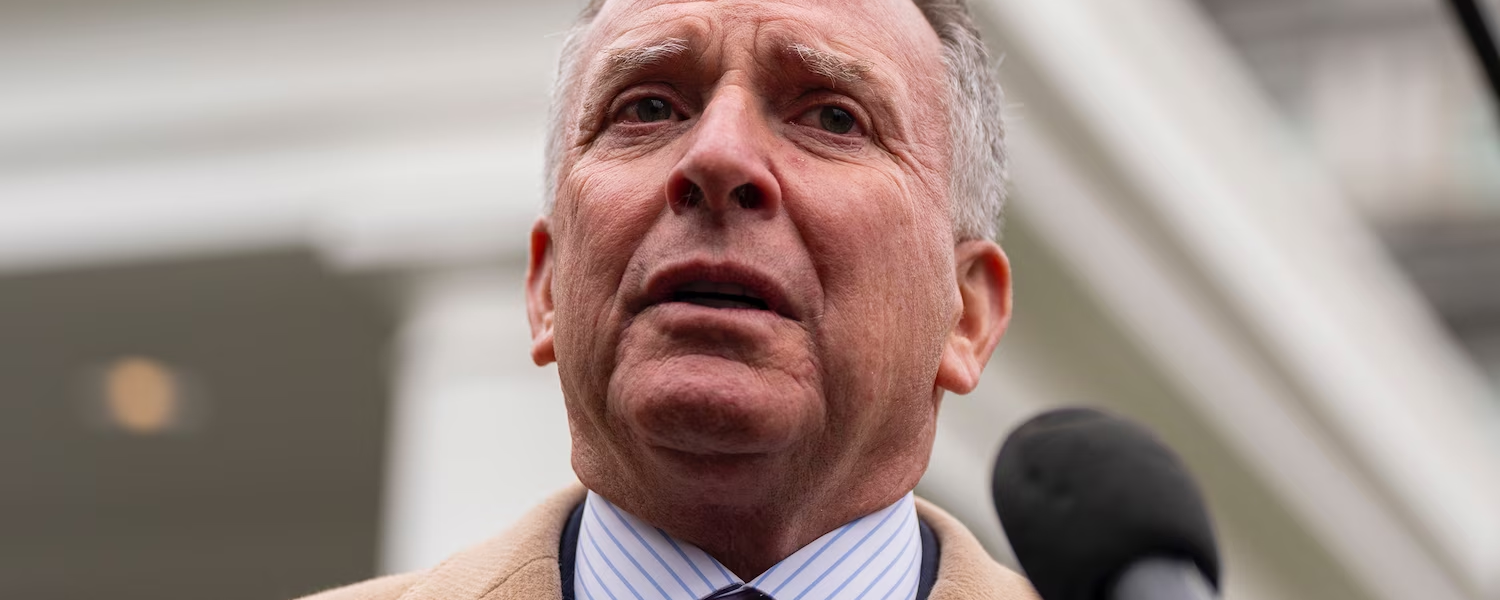

LONDON — President Donald Trump’s Middle East envoy Steve Witkoff landed in Moscow on Thursday morning for discussions on a proposed 30-day ceasefire in Ukraine — a step leaders in Kyiv and Washington, D.C., hope will facilitate a larger peace deal to end Russia’s three-year-old invasion of its neighbor.
Witkoff’s trip is “part of our continued efforts to press Russia to agree to a ceasefire and stop its brutal war against Ukraine,” White House press secretary Karoline Leavitt told reporters at a Wednesday briefing.
Kremlin spokesperson Dmitry Peskov confirmed that American negotiators were traveling to Moscow on Thursday. “Contacts are planned,” Peskov told a press briefing, adding of the potential outcomes, “We will not prejudge, we will tell you later.”
Witkoff will meet with Russian President Vladimir Putin on Thursday night in a closed format, according to Russian foreign policy aide Yuri Ushakov.
Putin will not speak with Trump on Thursday, according to Ushakov.
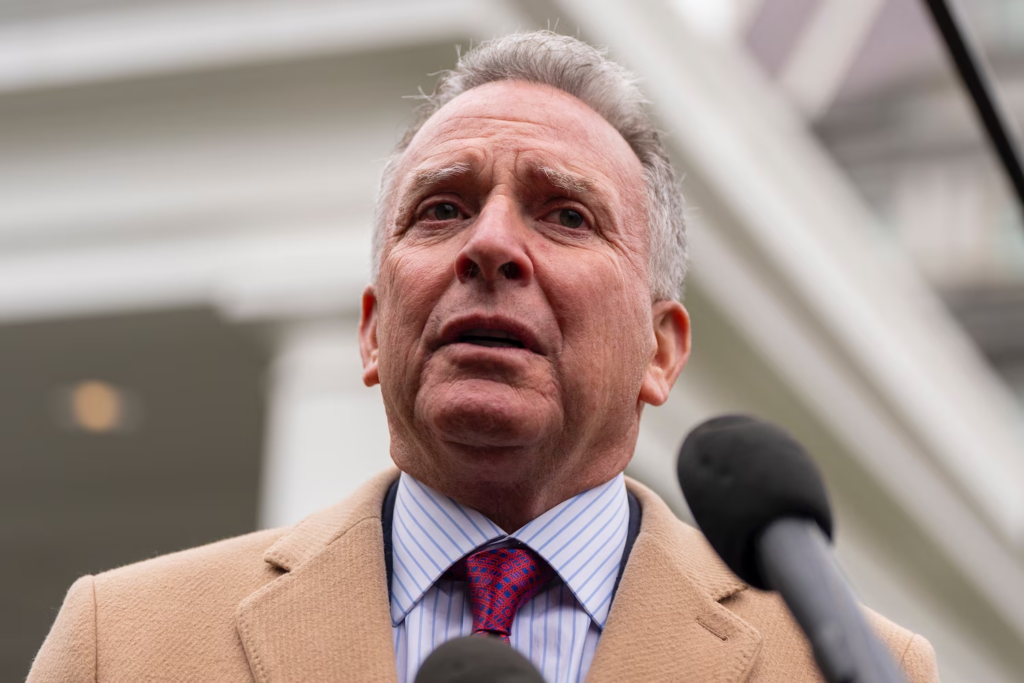
Alex Brandon/AP
U.S. and Ukrainian officials agreed to a total 30-day ceasefire during talks in Jeddah, Saudi Arabia, earlier this week. The ball is now “truly in their court,” Secretary of State Marco Rubio said of Russia following the talks in Jeddah.
Ukrainian President Volodymyr Zelenskyy wrote on Telegram of the ceasefire plan, “Ukraine accepts this proposal, we consider it positive, we are ready to take this step. The United States of America needs to convince Russia to do so.”
“We agree, and if the Russians agree, the silence will take effect at that very moment,” he added. “An important element in today’s discussions is America’s readiness to restore defense assistance to Ukraine and intelligence support.”
Zelenskyy said Ukraine is ready for peace while Russia seeks to “postpone peace.”
“Regrettably, for more than a day already, the world has yet to hear a meaningful response from Russia to the proposals made,” he said on X on Thursday. “This once again demonstrates that Russia seeks to prolong the war and postpone peace for as long as possible. We hope that U.S. pressure will be sufficient to compel Russia to end the war.”
The Kremlin has so far been noncommittal on the U.S.-Ukrainian proposal. Officials were “scrutinizing” the publicly released statements, Peskov said on Wednesday. Russia, he added, “doesn’t want to get ahead of itself” on the potential ceasefire.
Ushakov — who took part in last month’s meeting with U.S. negotiators in Saudi Arabia — described the proposed ceasefire as “a hasty document.”
“It should be worked on, and our position should also be considered and taken into account,” he told journalists. “For now, only the Ukrainian approach is outlined there,” Ushakov added, suggesting the 30-day pause in fighting would be an opportunity for Ukrainian forces to regroup.
“We believe that our goal is a long-term peaceful settlement, we are striving for it, a peaceful settlement that takes into account the legitimate interests of our country, our known concerns,” Ushakov said. “Some steps that imitate peaceful actions, it seems to me, no one needs in this situation.”
Ushakov said he outlined Russia’s position to national security adviser Mike Waltz. “I myself have recently been in fairly regular telephone contact with Mike Waltz,” he said. “Yesterday he called me and informed me about the main results of the talks with the Ukrainian delegation in Jeddah.
You may be interested